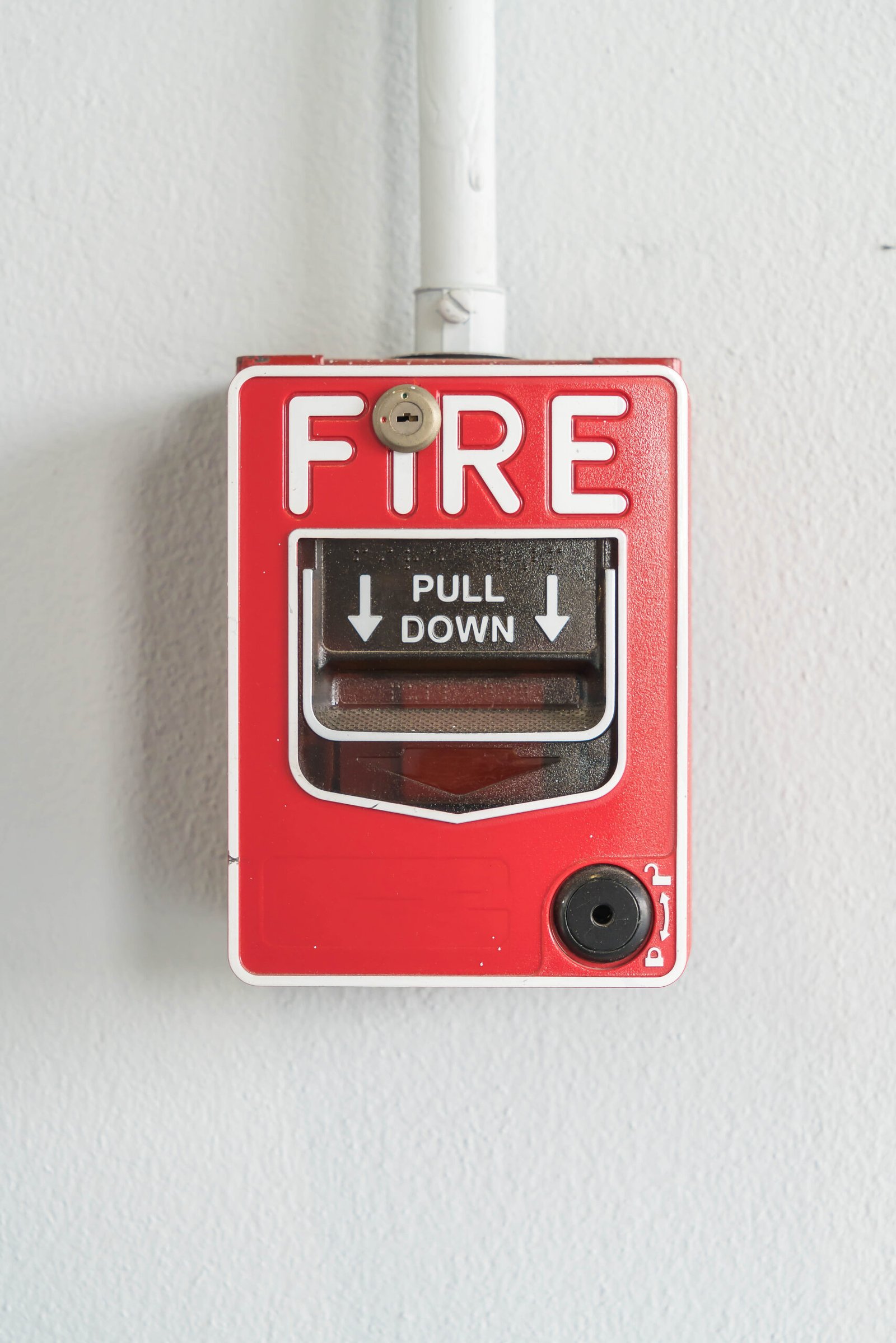
“When can we open?” usually depends on one step: handing the site over to Civil Defense and obtaining the safety certificate. Here is the journey as we run it for our clients.
1. Needs and hazard classification
A site survey defines the activity, area, storeys and stored materials to classify the hazard and the systems required by the Saudi code.
2. Approved drawings
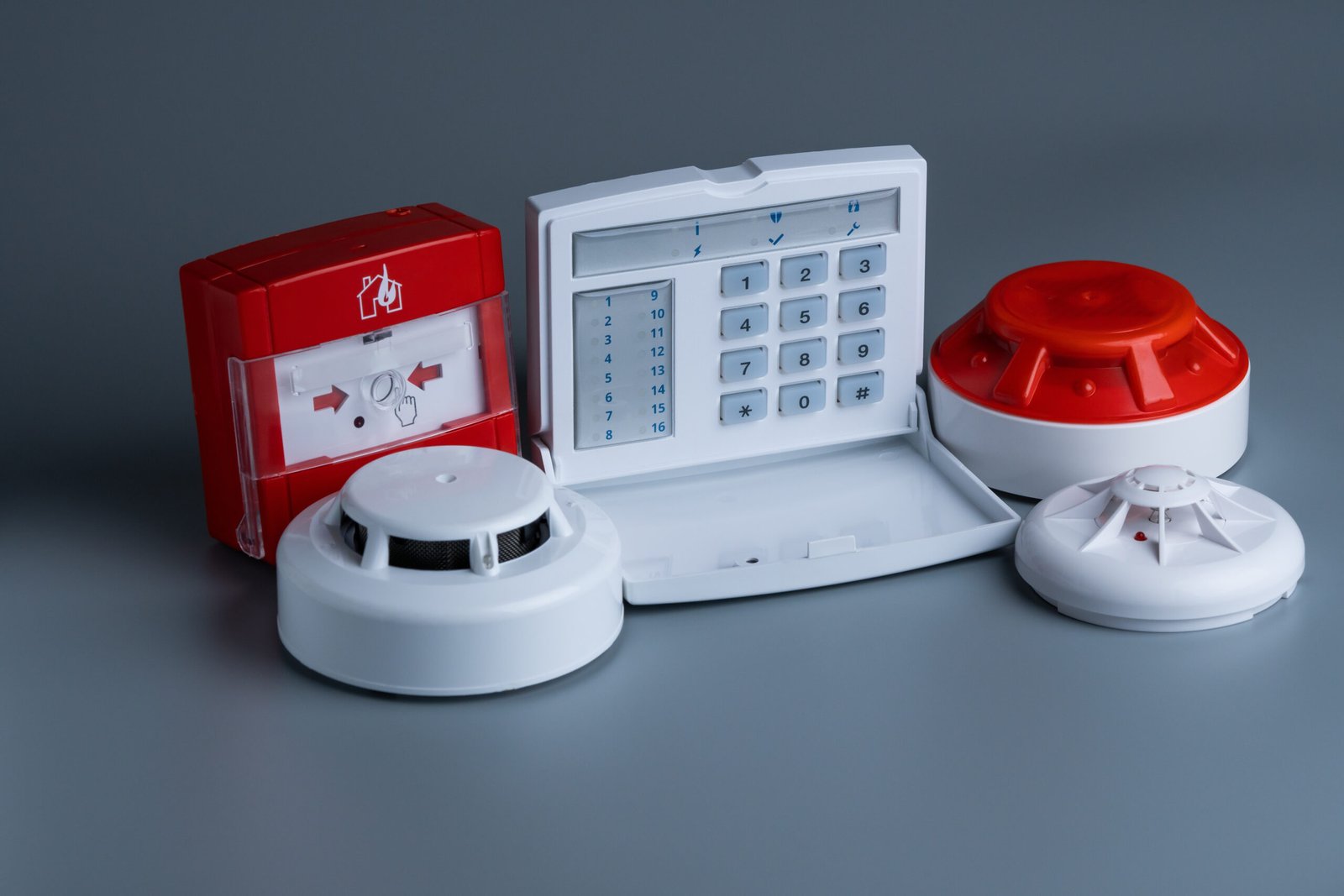
Safety drawings show detectors, call points, extinguishers, sprinklers, exits and emergency lighting, and are approved before work starts.
3. Supply and installation
Systems are installed by a licensed contractor with approved equipment, exactly to the drawings.
4. Testing and commissioning
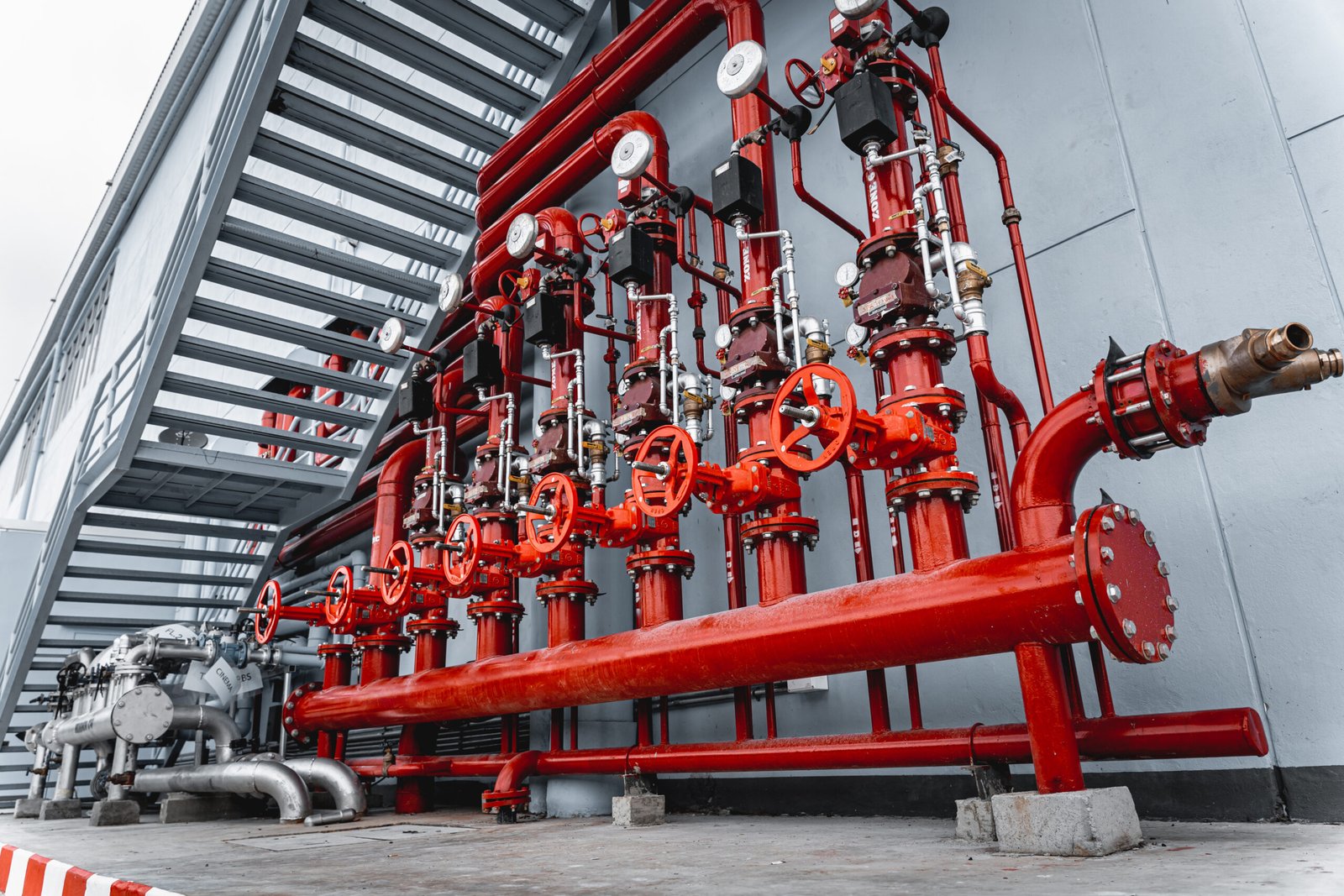
Every detector and call point is tested at the panel, the network is pressure-tested, pumps are run, and emergency lighting is checked on battery.
5. Reports and submission
Acceptance and suitability reports and the protection installation certificate are prepared, then the request is submitted through Civil Defense’s official platforms.
6. Site inspection and certificate
The inspector verifies compliance and tests systems at random. With no remarks the certificate is issued; otherwise remarks are fixed and the site is re-inspected.
Common inspection remarks
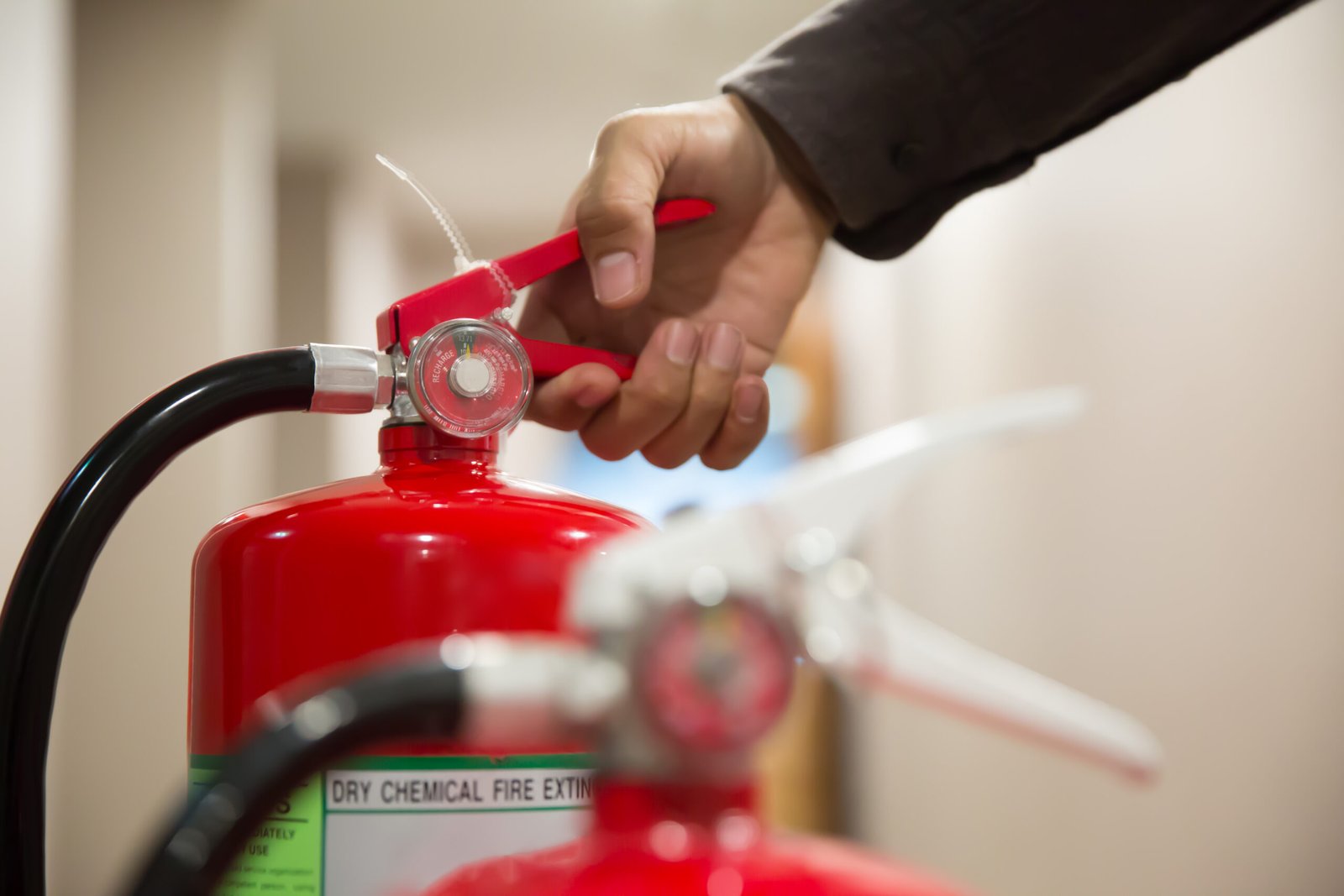
- Extinguishers without a valid service tag.
- Blocked emergency exits.
- Emergency lights not working on battery.
- Detectors still covered after fit-out.
- Work that does not match the approved drawings.
We handle the whole process for clients in Dammam and the Eastern Province, from drawings to certificate and maintenance contract.